My Story.
In undergrad, my advisor told me that because I was
first-generation, and low-income, I wouldn’t make it in science. She suggested I choose a different path.
Instead, I built a career defined by curiosity, resilience, and the conviction that identity should be a strength in STEM, not a barrier.
My work now lives at the intersection of science, medicine, and social impact. As I continue toward a career in pediatric neurology, I remain committed to expanding access to research, creating inclusive educational spaces, and communicating science in ways that empower the next generation of thinkers.
The Backstory
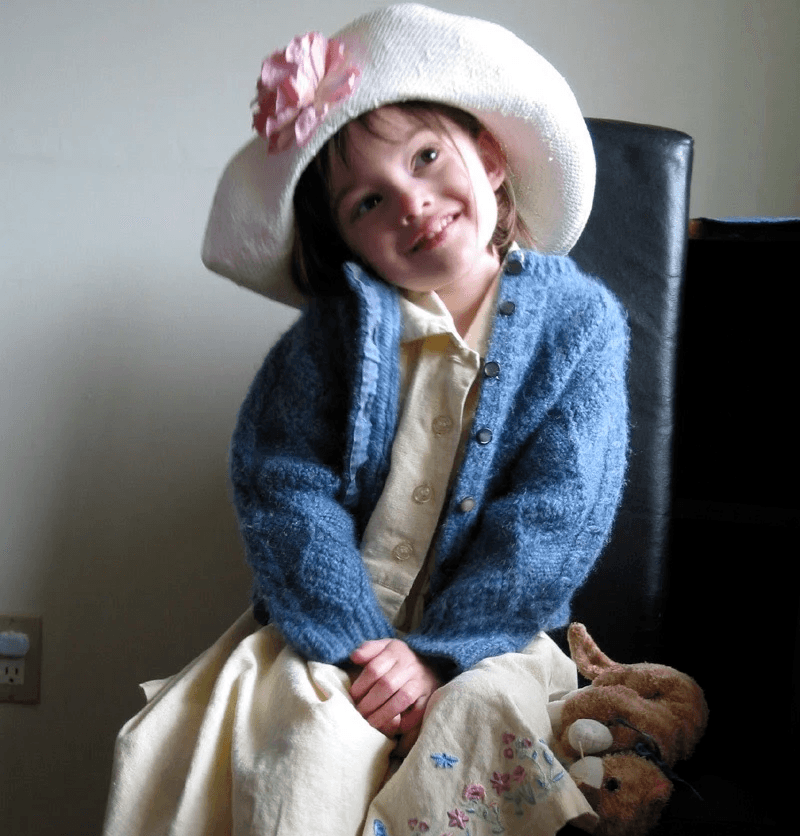
Mia's passion for neuroscience began at age nine, when chronic migraines turned doctor’s visits into her first classroom. Her experience as a pediatric neurology patient, combined with seven years coaching neurodivergent athletes for Special Olympics Maryland, ignited her fascination with the brain and inspired her to pursue neurology.
The Research
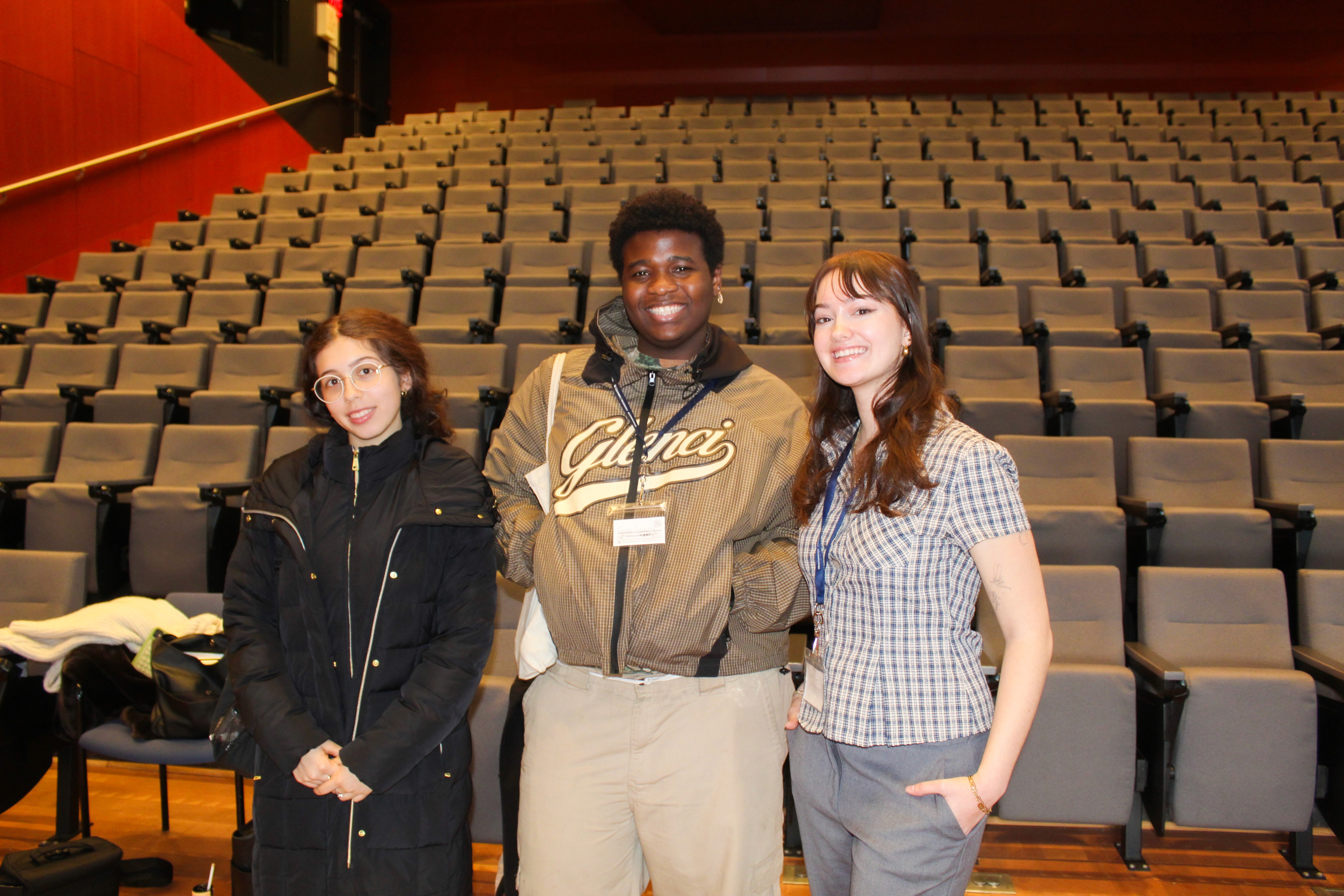
At Barnard College of Columbia University, Mia studied pre-medical Neuroscience and Behavior. She conducted research at NYU and Columbia University in many different fields, including sleep, chronic pain, headache, mental health, and memory. Eventually, she found her niche in PTSD and autobiographical memory.
The Science Communication
During the pandemic, Mia began posting neuroscience explainers and pre-med content online, eventually accumulating over 100,000,000 views. As students reached out asking how to enter research — many from underserved or underrepresented backgrounds — she recognized a systemic gap: access to mentorship, training, and opportunities was limited everywhere, even at top institutions.
The Entrepreneurship
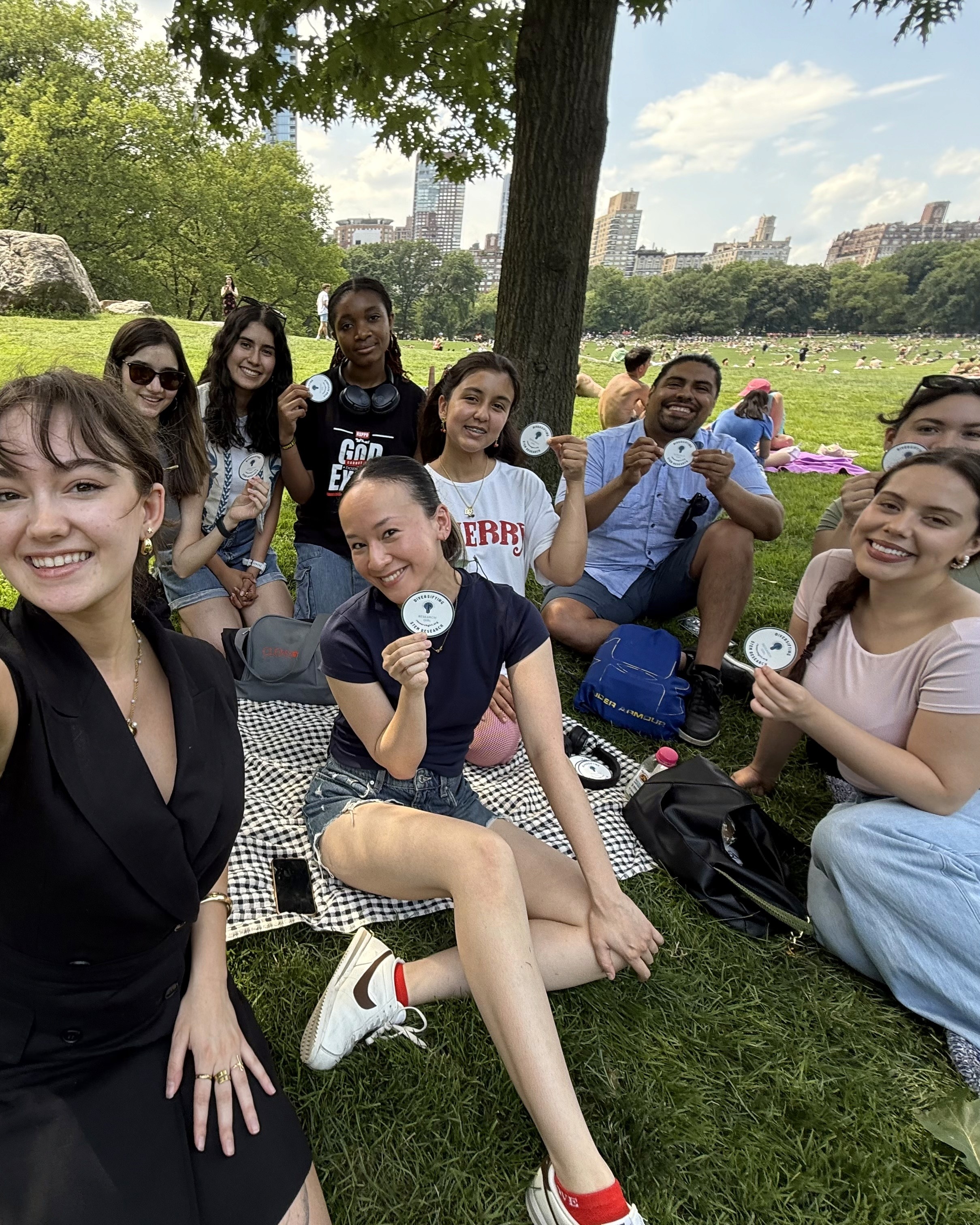
To address this, Mia founded Research Girl, Inc., a nonprofit dedicated to democratizing STEM education. Its mentorship programs, research resources, and global community now support over 50,000 students in 161 countries.